
Luisa: I Went Into Menopause at Thirty-Nine
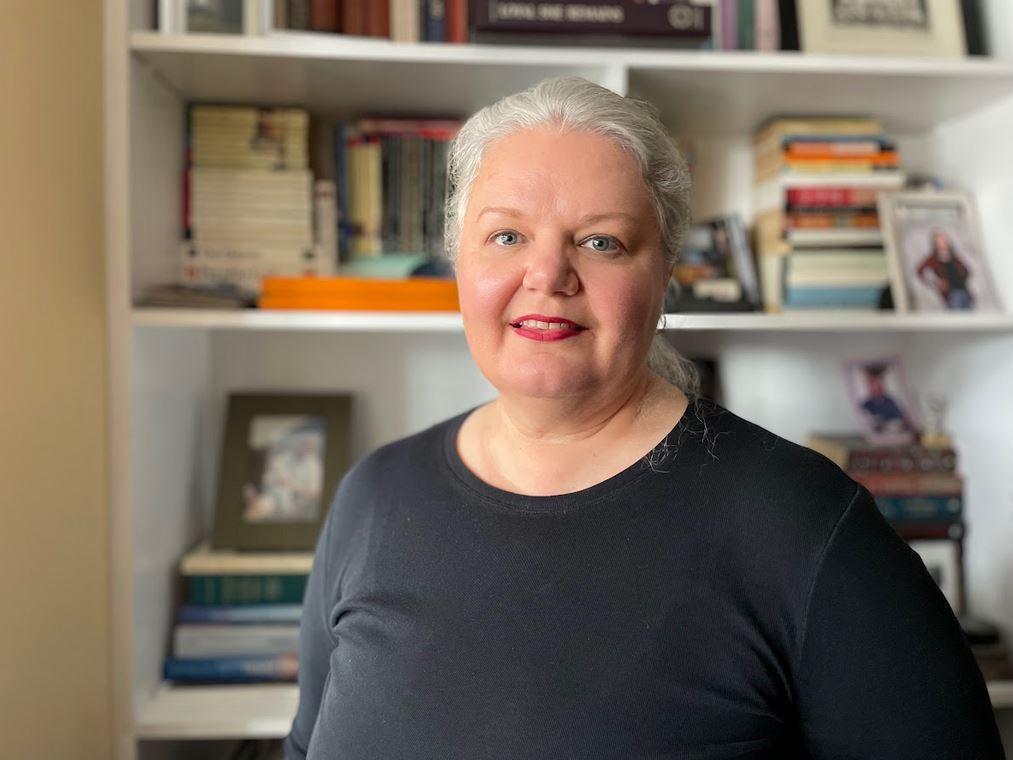
Luisa, a mother of two, was only 35 years old when her doctor told her that her estrogen levels were flatlining and that he thought she was going into menopause. She was; she became post-menopausal just four years later.
“I was in shock,” she explains. “It felt so unfair… The image of a woman in menopause did not look like me.” Luisa remembers feeling alone and not knowing what was happening to her body. She had no one to talk to—her friends were not experiencing premature menopause (which occurs in women under 40).
Luisa saw several doctors and other health practitioners, including a nutritionist, for different symptoms. She was eventually sent to a urogynecologist for a hysterectomy. She was so surprised when he said that she did not, in fact, need one and instead referred her to a menopause specialist at the Premature Ovarian Insufficiency (POI) Clinic at Mount Sinai Hospital. It took her a full year to get in, but Luisa says that she feels so blessed that the doctor referred her. “He basically saved me.”
Grappling with whether to take the Menopause Hormone Therapy (MHT) the specialist recommended became more confusing, as well-meaning friends and family offered advice that echoed misinformation on its risks and benefits. It was only when her symptoms became unbearable and she grew tired of not feeling like herself that she started the clinic-recommended therapy. Like many women with multiple symptoms, her treatment plan has changed over time; she is grateful for the continued guidance from her doctor and the clinic.
“Women are struggling, trying to navigate this journey in the dark because not many doctors have been trained well enough on menopause. For women who experience menopause differently than most—for me, I was very early in my 30s—it is even more challenging to find care. I was lucky that I was referred to a menopause specialist, but it took a year to be seen. Women shouldn’t have to wait for knowledgeable menopause care because it can affect all aspects of our health. We should be advocating for menopause training for all healthcare providers”.
Luisa would like to see increased public awareness and information about premature menopause and early menopause (menopause between ages 40-45). “I want women to know they’re not alone. That resources are available. I don’t want women to feel like I did because it was terrible.”
Luisa firmly believes that decision makers need to act on several fronts, including that doctors be appropriately trained on menopause, and that women should have access to affordable menopause medicines. “I’m lucky to have health benefits so I can afford these medications, but that’s not the case for many.” She also believes that more research on premature menopause is needed. “We still don’t really know why some women enter menopause prematurely. It’s like a glitch in the system with no explanation.” Decision makers, she also states, need to ensure that workplaces are supportive and flexible for employees—even in their thirties—who may be experiencing premature or early menopause.