Natalie: I Just Wanted Resources and Information
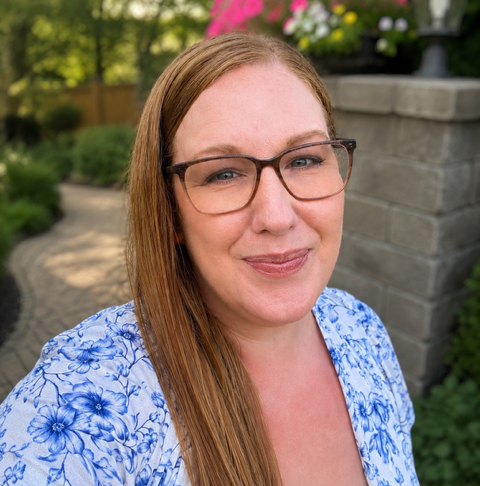
In summer 2025, 44-year-old Natalie began to notice that the heat was overwhelmingly impacting her quality of life. Her girlfriends too were noticing they had symptoms they did not understand. Natalie and her friends had heard about menopause, but not about perimenopause, its lengthy predecessor. A believer that knowledge is power, Natalie decided to find out what she could about this issue.
“My eyes were opened,” she said, as she learned about the vast number of perimenopausal symptoms and realized that she had been experiencing some of them long before summer 2025.
“Listen to us, hear us, believe our experiences. Don’t write us off, do something. Give us some path forward, educate the world, give us accessible care, and workplace support. Don’t leave us alone anymore.”
Natalie visited her family doctor who dismissed her symptoms and, after sending her for blood work, told her she wasn’t in perimenopause (hormone levels wildly fluctuate during perimenopause, so lab results from bloodwork are not helpful for most women—a diagnosis is symptom-based). While he did refer her to a gynecologist (who had a year-long waiting list), Natalie received neither guidance nor information on what to do in the interim. “It was so defeating,” she said. “When you feel alone in something, it kills your spirit.”
Natalie was able to seek private care and finally found help with a naturopath and a nurse practitioner. “I’m slowly recognizing myself again.”
Natalie hopes that perimenopause will start to be talked about openly, like puberty is in high school. “We shouldn’t have to dig and dig to get this information.” She is also clear that “decision-makers are ignoring a health care and economic issue when they ignore perimenopause and menopause in women… We are in the middle of our careers, we still have ideas, are still valuable and we have a lot to give the world.”